
ABDOMINOPLASTY & BODY CONTOURING
Tummy Tuck in Morristown, New Jersey
Restore a Flatter, Stronger, More Contoured Abdomen
Flatter
Abdominal contour
Stronger
Core repair
Refined
Scar closure + shaping
What is a tummy tuck?
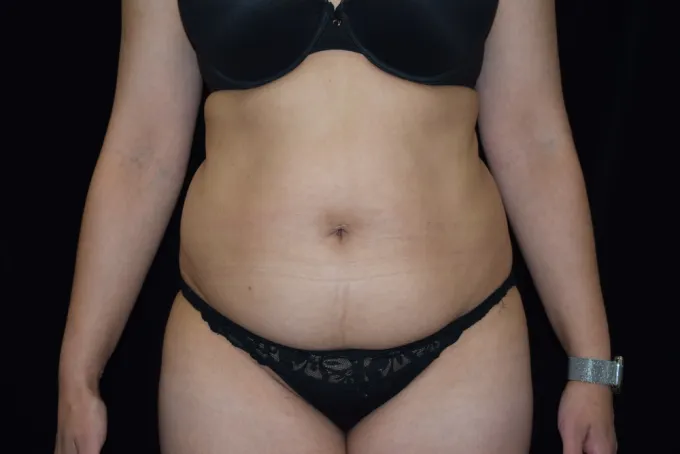
Pregnancy, significant weight loss, and aging can leave changes in the abdomen that diet and exercise alone cannot correct, including loose or excess skin, separation of the abdominal muscles, and areas of stubborn fat.
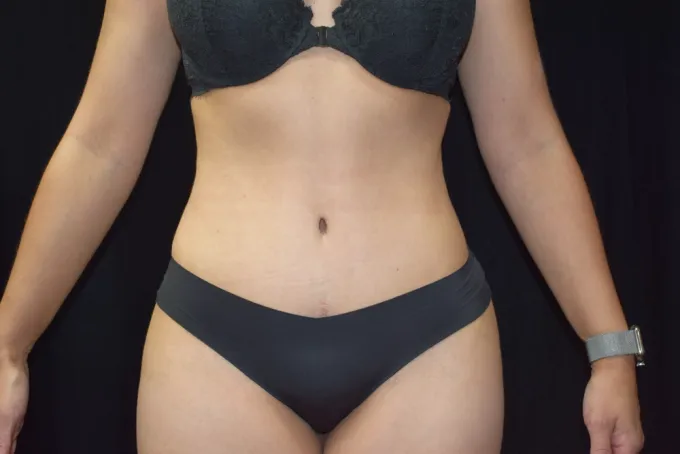
A tummy tuck, or abdominoplasty, addresses these concerns by removing excess abdominal skin and repairing muscle separation when present. For appropriate patients, Dr. Racanelli may combine tummy tuck surgery with VASER High Definition liposuction of the flanks to create a smoother transition through the abdomen, waist, and surrounding contours.
Dr. Joseph A. Racanelli provides tummy tuck consultations at his Morristown, New Jersey office for patients throughout Morris County and surrounding communities. Each surgical plan is developed around the patient's individual anatomy, previous procedures, and aesthetic goals.
Dr. Racanelli personally performs every step of the operation, including the layered closure. Cosmetic surgery is performed in a hospital operating room under general anesthesia with a board-certified anesthesiologist, and only one cosmetic surgical case is scheduled each day.
The Dr. Racanelli Difference
A Different Approach to Tummy Tuck Surgery in Morristown
Most patients don't ask the right questions when choosing a surgeon, not because they're careless, but because they don't know what to ask. Here is what you should know about how this practice operates, and why it matters for your outcome and your safety.
1
Dr. Racanelli is the only surgeon who will operate on you.
There are no other physicians, no residents, no physician assistants performing any part of your procedure. Dr. Racanelli makes every incision, performs the muscle repair, and closes every layer himself. In many high-volume practices, portions of the operation, including the closure, are handled by staff the patient has never met. That does not happen here.
2
He performs one major procedure per day without exception.
Dr. Racanelli does not stack cases. When your surgery is scheduled, it is the only major procedure on his calendar that day. His attention, energy, and judgment are entirely yours. High-volume surgical practices run back-to-back cases, which means fatigue accumulates and the surgeon performing your closure may be on their fourth operation of the day. That does not happen here.
3
All surgery is performed in a hospital operating room with a board-certified anesthesiologist.
Not a surgical center. Not a nurse anesthetist. Every tummy tuck is performed in a fully accredited hospital with a board-certified anesthesiologist managing your anesthesia from induction through recovery. This approach provides the resources of a hospital operating environment and dedicated anesthesia care, and it is the standard Dr. Racanelli applies to his cosmetic surgical patients.
4
Every follow-up visit is with Dr. Racanelli personally.
Your postoperative care is not handed off to a nurse practitioner or physician assistant. Every office visit during your recovery, drain checks, suture removal, progress assessments, is with Dr. Racanelli himself. The person who knows exactly what was done in the operating room is the same person monitoring your healing.

UNDERSTANDING ABDOMINOPLASTY
What Does a Tummy Tuck Correct?
A tummy tuck addresses structural and skin-related concerns of the abdomen that cannot typically be corrected through weight loss or exercise alone.
These may include:
Many patients considering tummy tuck surgery in Morristown have already reached or are close to a comfortable, stable weight but remain bothered by changes in the abdomen that lifestyle changes cannot address. During consultation, Dr. Racanelli evaluates the skin, abdominal wall, fat distribution, previous scars, and overall body proportions to determine what a tummy tuck can realistically accomplish.
Does a Tummy Tuck Tighten the Muscles?
How Dr. Racanelli Repairs the Abdominal Wall
Diastasis recti is a widening or separation between the rectus abdominal muscles that commonly develops during pregnancy and may also occur with significant changes in weight. When present, Dr. Racanelli can address this during tummy tuck surgery by tightening the abdominal fascia and restoring support to the abdominal wall.
This is one of the important differences between a tummy tuck and liposuction. Liposuction can reduce localized fat, but it does not remove significant loose skin or repair diastasis recti. A tummy tuck can address the skin and abdominal wall together when those concerns are present.
Dr. Racanelli repairs the abdominal fascia in multiple layers. A single-layer repair places all holding tension on one line of sutures. A multi-layer repair distributes that load across several tissue planes, making the repair significantly more durable and reducing the risk of recurrence over time.
The result is a stronger, tighter abdominal wall, not just cosmetically, but structurally. Many patients notice improvements in core stability and lower back comfort following surgery, in addition to the visible flattening of the abdomen.
VASER High Definition Liposuction: Included in Every Tummy Tuck
VASER HD liposuction is not an optional addition to Dr. Racanelli’s tummy tuck, it is part of every procedure he performs.
Traditional liposuction removes fat. VASER High Definition uses ultrasound energy to first emulsify fat before removal, allowing Dr. Racanelli to contour the abdomen, waist, and flanks with greater precision and create a more refined three-dimensional shape.
The practical difference for patients is a result that goes beyond simply creating a flatter stomach. By combining abdominoplasty with VASER HD liposuction, Dr. Racanelli can address loose abdominal skin, repair the abdominal wall when needed, and sculpt the surrounding waist and flanks for a more proportional, natural-looking contour from the front, side, and back.
This is why body contouring is built into Dr. Racanelli’s tummy tuck procedure rather than treated as a separate add-on or afterthought.
Dr. Racanelli's Closure Technique
A Meticulous, Layered Approach to Tummy Tuck Closure
The tummy tuck incision is an important part of both the surgical plan and the final aesthetic result. Dr. Racanelli personally closes the entire incision by hand using a meticulous, multilayered closure technique designed to distribute tension through the deeper tissue layers rather than relying solely on the skin surface.
This layered approach allows Dr. Racanelli to carefully approximate the tissues while minimizing unnecessary tension along the skin edges. Scar appearance is influenced by many factors, including individual healing, genetics, incision tension, postoperative care, and scar maturation, and no surgeon can predict exactly how an individual patient's scar will ultimately heal.
Incision placement is also planned with the patient's anatomy and clothing in mind, with the goal of positioning the tummy tuck scar as low and discreetly as reasonably possible while achieving the necessary contour.
This type of closure takes time. It is one of the reasons Dr. Racanelli schedules only one major cosmetic operation per day: the final stages of surgery receive the same attention as the first.
Types of Tummy Tuck Procedures
Tummy Tuck Procedure Options
1
Complete Abdominoplasty
A full tummy tuck is appropriate for patients with excess skin and laxity extending above and below the belly button. Dr. Racanelli makes a low abdominal incision, removes excess skin, and repairs diastasis recti or abdominal wall laxity when present. The belly button is preserved and brought through the newly contoured abdominal skin in its appropriate position.
Dr. Racanelli personally performs the entire procedure, including the multilayered closure. VASER High Definition liposuction is incorporated as appropriate to contour the waist and flanks and create a balanced transition around the abdomen.
2
Partial (Mini) Abdominoplasty
A mini tummy tuck is intended for a much smaller group of patients whose skin laxity and contour concerns are primarily limited to the lower abdomen below the belly button.
Compared with a full tummy tuck, a mini abdominoplasty generally involves a shorter incision and more limited skin removal. Because it does not address the entire abdomen in the same way as a full abdominoplasty, careful patient selection is important.
Dr. Racanelli determines during consultation whether a mini or full tummy tuck is appropriate based on the location and degree of skin laxity, abdominal wall anatomy, and the patient's goals.
Where Is the Tummy Tuck Scar Located?
A tummy tuck requires a permanent scar, but its placement is carefully planned to remain as discreet as possible. Dr. Racanelli positions the incision low on the abdomen, typically within the area covered by most underwear and swimsuit bottoms.
The exact length of the incision varies based on each patient's anatomy and the amount and distribution of excess skin that needs to be removed. During your consultation, Dr. Racanelli will evaluate your abdomen and explain the anticipated location and length of your incision.
Why the Shortest Scar Isn't Always the Best Result
Many patients understandably ask for the shortest tummy tuck scar possible. However, a shorter incision does not necessarily produce a better cosmetic result.
When an incision is too short for the amount of excess skin being removed, fullness can remain at the outer ends of the incision, creating what are commonly called “dog ears.”
Dr. Racanelli designs the length and position of each incision around the patient's individual anatomy and the amount of skin that must be removed. When necessary, extending the incision farther laterally allows excess skin to be removed more completely and helps create a smoother transition across the lower abdomen and toward the hips.
The goal is not simply the shortest scar. It is the best abdominal contour with a scar that is strategically positioned and designed to heal as discreetly as possible.

What a Tummy Tuck Does Not Fix
A tummy tuck can address loose abdominal skin, abdominal wall laxity, and certain contour concerns, but it is important to understand what the procedure cannot accomplish.
A tummy tuck does not:
- Remove visceral (internal) abdominal fat
- Serve as a weight-loss procedure
- Replace healthy nutrition and regular activity
- Prevent future weight gain or weight fluctuations
- Prevent changes associated with future pregnancy
- Stop the natural aging process
It is also important to distinguish visceral fat from subcutaneous fat. Visceral fat is located deeper within the abdomen around the internal organs and cannot be removed with a tummy tuck or liposuction. Subcutaneous fat lies beneath the skin and may be addressed with liposuction when appropriate.
For this reason, the best surgical approach depends on what is actually contributing to abdominal fullness. During consultation, Dr. Racanelli evaluates the skin, abdominal wall, fat distribution, and overall proportions rather than assuming every patient needs the same procedure.

Who Is a Good Candidate for a Tummy Tuck?
You may be a candidate for tummy tuck surgery if you:
Tummy tuck surgery may not be appropriate for every patient. Smoking or nicotine use, certain medical conditions, plans for future pregnancy, weight fluctuations, previous abdominal procedures, and other individual factors may affect candidacy or the surgical plan.
During a tummy tuck consultation at his Morristown, NJ office, Dr. Racanelli reviews your medical and surgical history, examines the abdomen, and discusses your goals to determine whether abdominoplasty, and whether additional contouring with liposuction, is appropriate for you.
Tummy Tuck Recovery Timeline
Week 1
Week 2
Weeks 3–6
Week 8
Months 3–12
Recovery varies by patient and surgical plan. Dr. Racanelli evaluates each patient's healing before advancing activity or exercise restrictions.
Drains
Surgical drains are typically used following tummy tuck surgery to help manage fluid during the early healing period. Drains commonly remain in place for approximately 2–3 weeks, although timing varies depending on each patient's drain output and healing. Dr. Racanelli monitors the drains during postoperative visits and determines when they are appropriate to remove.
Drains are positioned through small openings near the groin so they can remain concealed beneath clothing during recovery.
Compression Garment
A compression garment is worn as directed during the early recovery period to provide support and help manage postoperative swelling. Dr. Racanelli will advise when to transition from full-time to part-time wear based on individual healing and the procedures performed.
Frequently Asked Questions
Common Tummy Tuck Questions
How much does a tummy tuck cost in New Jersey?
The cost of a tummy tuck depends on the complexity of the procedure and operative time. Because Dr. Racanelli includes VASER High Definition liposuction in every case, comprehensive body contouring is built into the procedure rather than billed as a separate add-on. A personalized quote is provided at consultation after Dr. Racanelli has assessed your anatomy and outlined your surgical plan. There are no surprises at the time of surgery.
Can a tummy tuck remove stretch marks?
A tummy tuck can remove stretch marks located on the excess abdominal skin that is surgically removed. Stretch marks outside the area of skin excision will remain, although their position may change when the remaining skin is tightened and redraped.
What type of anesthesia is used for a tummy tuck?
Dr. Racanelli performs tummy tuck surgery under general anesthesia in a hospital operating room. Anesthesia is administered and monitored by a board-certified anesthesiologist throughout the procedure.
Will I have a flat stomach after a tummy tuck?
A tummy tuck can significantly flatten and improve the contour of the abdomen by removing excess skin and repairing abdominal wall laxity when present. However, the final contour also depends on individual anatomy, body composition, and the amount of visceral fat located inside the abdomen, which cannot be removed with a tummy tuck or liposuction.
How painful is tummy tuck recovery?
Most patients experience tightness, soreness, swelling, and pressure during the early stages of recovery. Discomfort is generally most noticeable during the first several days and gradually improves as healing progresses. Medication is prescribed as appropriate to help manage postoperative discomfort.
How long do tummy tuck drains stay in?
Surgical drains commonly remain in place for approximately 2–3 weeks, although the exact timing depends on each patient’s drainage output and healing. Dr. Racanelli evaluates the drains during postoperative visits and determines when they are ready to be removed.
Can liposuction be combined with a tummy tuck?
Yes. In Dr. Racanelli’s practice, VASER High Definition liposuction is incorporated into his tummy tuck approach rather than treated as a separate contouring afterthought. VASER HD allows Dr. Racanelli to address localized subcutaneous fat and sculpt the waist and flanks while the tummy tuck addresses excess skin and abdominal wall laxity.
How long does it take to recover from a tummy tuck?
Many patients can return to light daily activities during the first one to two weeks and return to non-physical work at approximately two weeks, depending on their recovery and job requirements. Strenuous exercise and heavy lifting are typically restricted for approximately eight weeks. Recovery varies, and Dr. Racanelli evaluates each patient before advancing activity.
How long do tummy tuck results last?
Tummy tuck results can be long-lasting when patients maintain a relatively stable weight. Significant weight fluctuations and future pregnancy can stretch the abdominal skin and tissues again and may alter the result over time.
Can I get pregnant after a tummy tuck?
Pregnancy is possible after a tummy tuck, but future pregnancy can stretch the repaired abdominal wall and skin and compromise the surgical result. For this reason, tummy tuck surgery is generally best considered when a patient is not planning additional pregnancies.
Why Choose Dr. Racanelli for Your Tummy Tuck?
Choosing a plastic surgeon for a tummy tuck is about more than comparing before-and-after photographs. It is about understanding who will perform your surgery, where it will be performed, how your procedure will be tailored to your anatomy, and who will care for you throughout your recovery.
Dr. Joseph A. Racanelli takes a highly individualized approach to abdominoplasty, combining meticulous surgical technique with comprehensive abdominal and waist contouring. From your initial consultation through your postoperative care, you remain under his direct care.
If you are considering tummy tuck surgery in New Jersey or New York, the next step is a private consultation with Dr. Racanelli to determine what approach is appropriate for your anatomy and goals.
Ready to Take the Next Step?
Schedule Your Tummy Tuck Consultation
If excess abdominal skin, muscle separation, or stubborn fat is keeping you from achieving the abdominal contour you want, a consultation with Dr. Joseph A. Racanelli is the first step toward understanding what surgery can realistically accomplish for you.
During your private consultation, Dr. Racanelli will personally evaluate your anatomy, discuss your goals, and determine whether a tummy tuck with VASER High Definition liposuction is the appropriate approach for you.
Consultations are available in Morristown, Newark, and New York City.