
POST-WEIGHT LOSS BODY CONTOURING
Plastic Surgery After GLP-1 Weight Loss
Restore Your Shape After Significant Weight Loss
What Happens After GLP-1 Weight Loss?
GLP-1 medications such as Ozempic®, Wegovy® and Zepbound® have helped many patients achieve substantial weight loss. While losing weight can dramatically improve overall health and quality of life, the skin and underlying tissues do not always fully adapt to a smaller body size.
After significant weight loss, patients may notice loose or hanging skin, loss of breast volume, abdominal laxity, deflation of the buttocks, or excess skin along the arms and thighs. These changes can remain even after a patient has reached a healthy, stable weight.
Plastic surgery after GLP-1 weight loss is not about reversing the weight-loss journey. It is about addressing the skin, tissue and body-contour changes that weight loss alone cannot correct.

Common Changes After Significant Weight Loss
Significant weight loss can affect multiple areas of the body differently. The concerns that remain depend on factors such as age, skin elasticity, the amount of weight lost, previous pregnancies, and individual anatomy.
1
ABDOMEN
Loose or hanging abdominal skin, muscle separation, and loss of definition through the waist.
2
BREASTS
Loss of breast volume, deflation, stretched skin, and a lower breast or nipple position.
3
ARMS
Loose skin and tissue along the upper arms that may remain despite reaching a stable weight.
4
THIGHS
Excess or lax skin along the inner thighs that can affect both contour and proportion.
5
BUTTOCKS & BODY CONTOUR
Volume loss, skin laxity, and changes in proportion through the buttocks, waist, flanks, and surrounding areas.
No two post-weight-loss bodies are the same. The appropriate surgical plan depends on which areas have changed, the quality of the remaining skin and tissue, and the patient’s individual goals.
Which Plastic Surgery Procedures Can Help After GLP-1 Weight Loss?
There is no single procedure for the changes that can occur after significant weight loss. Some patients are primarily concerned with loose abdominal skin, while others experience changes involving the breasts, arms, thighs, waist, or multiple areas of the body.
Dr. Racanelli develops an individualized surgical plan based on each patient’s anatomy, degree of skin laxity, remaining fat distribution, and aesthetic goals. Depending on the areas being addressed, treatment may involve one procedure or a carefully staged combination of procedures.
TUMMY TUCK
Removes excess abdominal skin and repairs abdominal wall separation when present, creating a flatter and more supported abdominal contour.
BREAST LIFT
Repositions and reshapes breast tissue after weight loss has resulted in stretched skin, deflation, or a lower breast position.
BREAST AUGMENTATION
For appropriate patients, implants may restore breast volume and upper-pole fullness lost following significant weight loss.
ARM LIFT
Removes excess skin along the upper arms when skin laxity remains after substantial weight loss.
THIGH LIFT
Addresses loose skin along the thighs to improve contour and create a smoother transition through the lower body.
VASER HIGH DEFINITION LIPOSUCTION
Refines areas of remaining localized fat and helps create smoother transitions between treated and surrounding areas when appropriate.
Not every procedure should, or can, be performed at the same time. Dr. Racanelli determines which areas can be safely addressed together and when staging procedures will provide a more appropriate surgical plan.
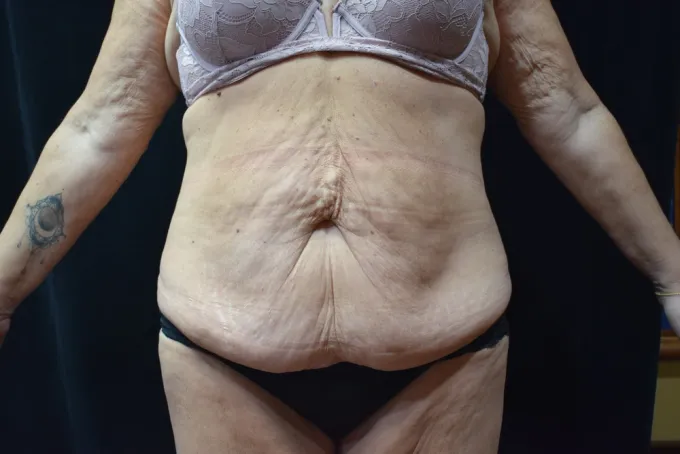
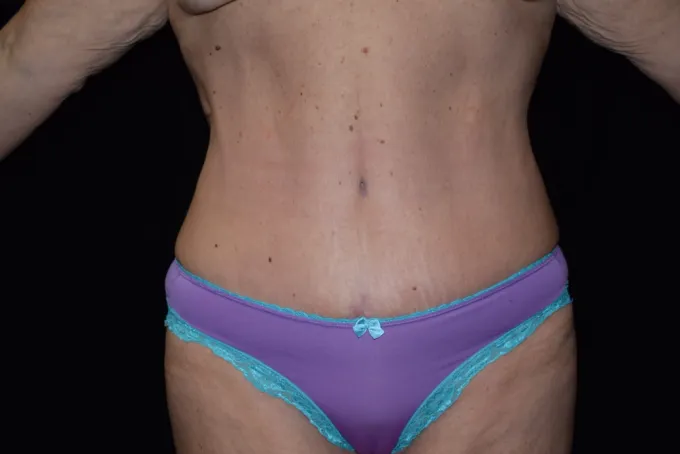
Tummy Tuck After GLP-1 Weight Loss
The abdomen is one of the most common areas to change after significant weight loss. As abdominal volume decreases, skin that was previously stretched may not fully retract, leaving loose or hanging skin through the lower abdomen. Previous pregnancy or weight fluctuations may also contribute to separation or laxity of the abdominal wall.
A tummy tuck, or abdominoplasty, removes excess abdominal skin and allows the abdominal wall to be repaired when indicated. Dr. Racanelli also incorporates VASER High Definition liposuction into his tummy tuck procedures to refine the waist and flanks and create a smoother transition through the surrounding contours.
For patients who have lost substantial weight with a GLP-1 medication, the goal is not simply to remove skin. The surgical plan considers the abdomen, waist, surrounding tissues, existing scars, skin quality, and overall body proportions to create a result that fits the patient’s new body.
Breast Surgery After GLP-1 Weight Loss
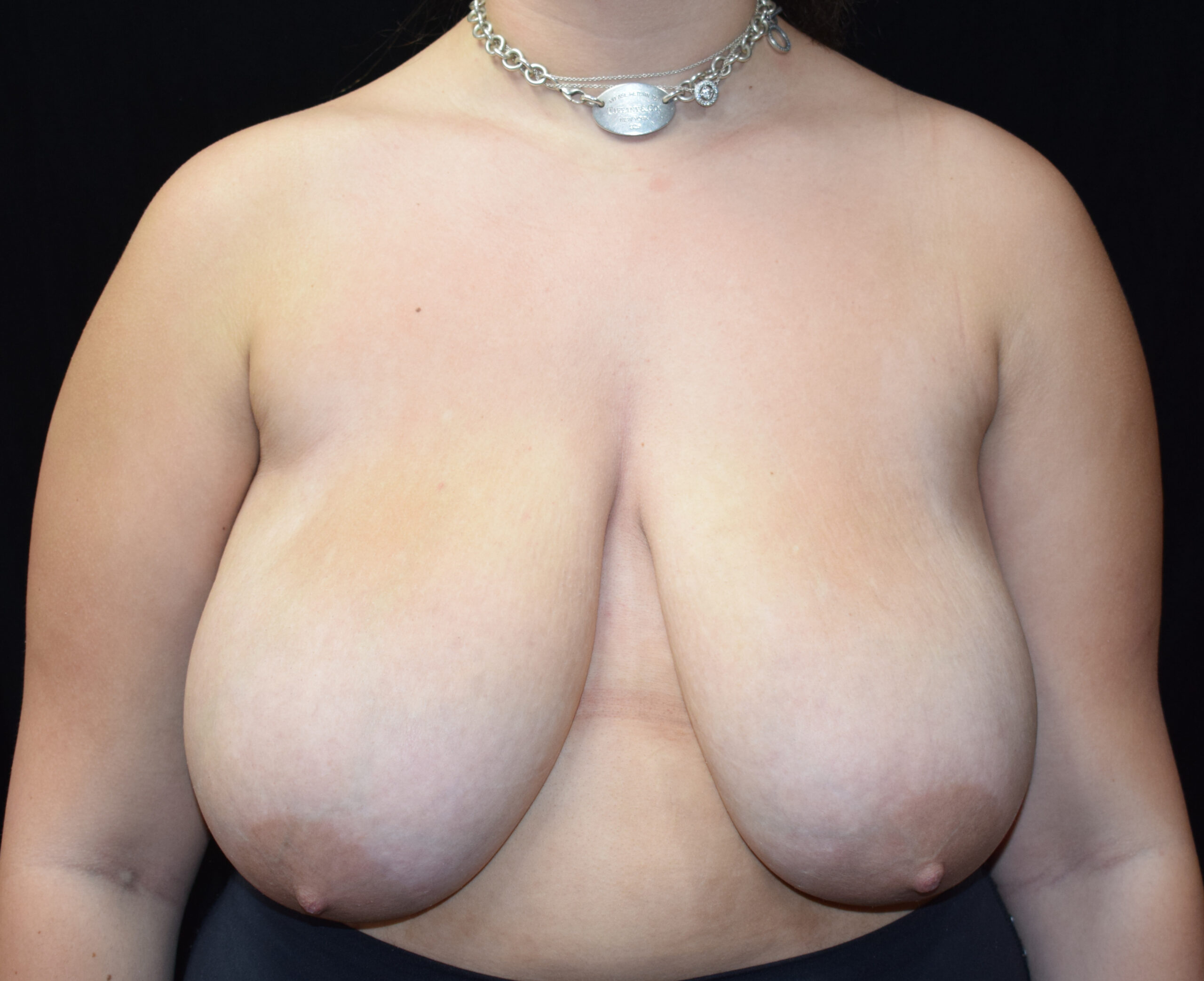
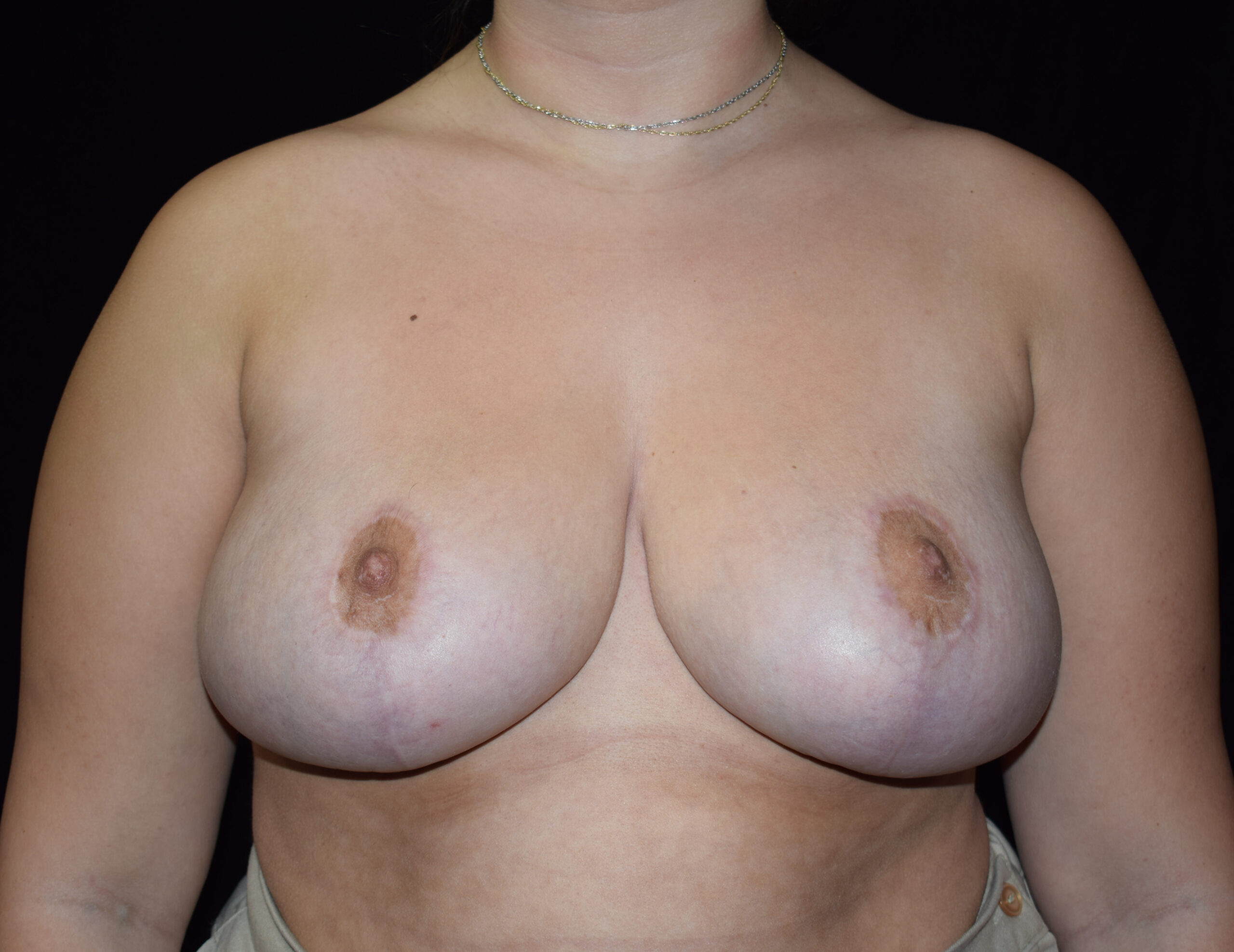
Significant weight loss can change both the volume and shape of the breasts. As breast volume decreases, the skin may not fully contract around the remaining tissue, resulting in deflation, loss of upper-pole fullness, stretched skin, or a lower breast and nipple position.
The appropriate procedure depends on what has changed. A breast lift can remove excess skin and reshape and reposition the existing breast tissue when sagging is the primary concern. For patients who have lost volume but maintain an appropriate breast position, breast augmentation may restore fullness and projection.
When a patient would benefit from both lifting and additional volume, Dr. Racanelli generally approaches these goals in stages rather than performing a breast lift and augmentation during the same operation. This allows the breast to heal and settle after the lift before implant size and position are determined for the augmentation.
The goal is not simply to make the breasts larger or tighter, it is to restore shape and proportion in a way that complements the patient’s body after weight loss.
Can Multiple Procedures Be Performed Together After GLP-1 Weight Loss?
After significant weight loss, it is common to have concerns involving more than one area of the body. A patient may want to address loose abdominal skin, breast changes, the arms, thighs, or remaining areas of localized fat, but that does not necessarily mean every procedure should be performed during the same operation.
Dr. Racanelli develops each surgical plan around the patient’s anatomy, priorities, overall health, and the anticipated length of surgery. For elective cosmetic procedures performed under general anesthesia, he limits operative time to approximately six hours. When the procedures a patient would benefit from cannot be safely and appropriately completed within that timeframe, surgery is staged into separate operations.
Staging also allows Dr. Racanelli to prioritize the areas that will have the greatest impact first, allow the body to heal, and then reassess the remaining areas before the next procedure.
The objective is not to perform the greatest number of procedures at once. It is to create a thoughtful surgical plan for the individual patient while maintaining Dr. Racanelli’s approach to safety and surgical precision.
One Patient. One Surgeon. One Surgical Plan.
Dr. Racanelli personally performs every step of the operation and schedules one major cosmetic surgery per day.
When Is the Right Time for Plastic Surgery After GLP-1 Weight Loss?
Reaching a lower number on the scale does not necessarily mean it is immediately time for surgery. For patients who have experienced significant weight loss with a GLP-1 medication, Dr. Racanelli considers several factors before recommending body contouring surgery.
Ideally, patients should be at or near a sustainable goal weight and no longer experiencing significant ongoing weight loss. Operating while the body is still changing can affect the longevity and predictability of the result. Many plastic surgeons recommend maintaining a relatively stable weight for approximately three to six months before post-weight-loss body contouring, although the appropriate timing varies by patient.
Overall health and nutritional status are equally important. Significant weight loss can sometimes be accompanied by inadequate protein intake or vitamin and mineral deficiencies, which may affect the body's ability to heal. Preoperative evaluation and medical clearance help determine whether a patient is appropriately prepared for surgery.
The goal is not to operate at the lowest possible weight. It is to operate when your weight, health and nutrition are sufficiently stable for surgery and recovery.
WEIGHT STABILITY
At or near a sustainable weight without significant ongoing loss.
NUTRITION
Adequate protein and nutritional status to support healing and recovery.
OVERALL HEALTH
Medical conditions should be appropriately controlled and patients medically prepared for elective surgery.
NICOTINE-FREE
Patients must meet Dr. Racanelli's preoperative nicotine requirements before elective surgery.
Do I Have to Stop My GLP-1 Medication Before Plastic Surgery?
If you take a GLP-1 medication such as Ozempic®, Wegovy®, Zepbound® or Mounjaro®, it is important to tell Dr. Racanelli and your anesthesia team before surgery.
GLP-1 medications can delay stomach emptying. This matters during general anesthesia because retained stomach contents may increase the risk of regurgitation and aspiration, even when standard fasting instructions have been followed.
There is not one universal medication-hold schedule that is appropriate for every patient. Current multi-society guidance indicates that many patients can continue GLP-1 therapy before elective surgery, while patients with certain risk factors may require additional precautions or changes to their perioperative plan.
Dr. Racanelli and the board-certified anesthesiologist will provide individualized preoperative instructions based on the medication you take, your dose, symptoms, medical history and other relevant factors. Patients should follow the instructions provided by their surgical, anesthesia and prescribing teams rather than stopping a prescribed GLP-1 medication on their own.
Nutrition Matters Before Body Contouring Surgery
Significant weight loss changes more than body size. Patients who have lost a substantial amount of weight may not always be consuming enough protein, vitamins, minerals, and other nutrients needed to support healing after surgery.
Before post-weight-loss body contouring, Dr. Racanelli considers the patient's overall health and nutritional status as part of surgical planning. When appropriate, preoperative testing or additional medical evaluation may be recommended before proceeding with surgery.
Adequate nutrition, particularly sufficient protein, is important for wound healing, tissue repair, immune function, and recovery after surgery. For this reason, the goal is not simply to reach the lowest possible weight before surgery, but to arrive at surgery healthy, nutritionally prepared, and able to recover appropriately
If nutritional deficiencies are identified, they should be addressed before elective surgery whenever appropriate.
Why Choose Dr. Racanelli
Post-weight-loss body contouring often requires more than choosing a single procedure. It requires thoughtful planning around which areas should be addressed, what can appropriately be combined, and when staging may provide the better surgical approach.
Dr. Joseph A. Racanelli takes a highly individualized approach to each patient’s surgical plan, with an emphasis on precision, continuity of care, and attention to the overall proportions of the body.
ONE PATIENT PER DAY
Dr. Racanelli schedules one major cosmetic surgery per day, allowing his attention to remain focused on a single surgical patient.
YOUR SURGEON, START TO FINISH
Dr. Racanelli personally performs every step of the operation, including the final layered closure. He does not employ another surgeon, resident, or physician assistant to perform portions of your surgery.
HOSPITAL-BASED SURGERY
Major cosmetic procedures are performed under general anesthesia in a hospital operating room with a board-certified anesthesiologist.
DIRECT POSTOPERATIVE CARE
Your relationship with Dr. Racanelli continues after surgery. He personally evaluates his patients throughout their postoperative follow-up and recovery.
For patients considering surgery after significant weight loss, this approach allows each stage of treatment to be planned around the individual rather than fitting the patient into a predetermined package of procedures.
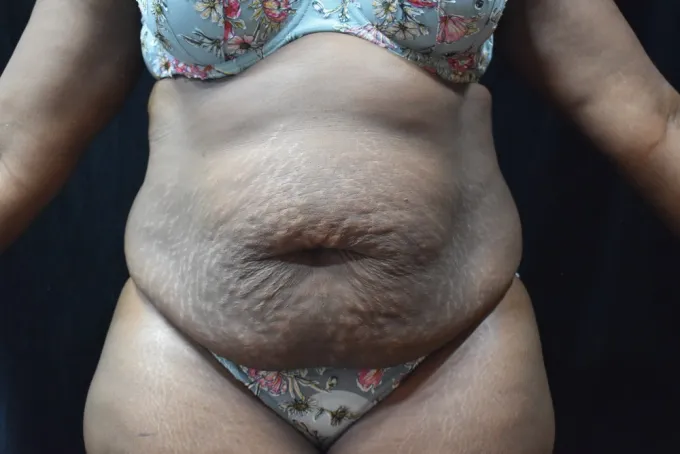
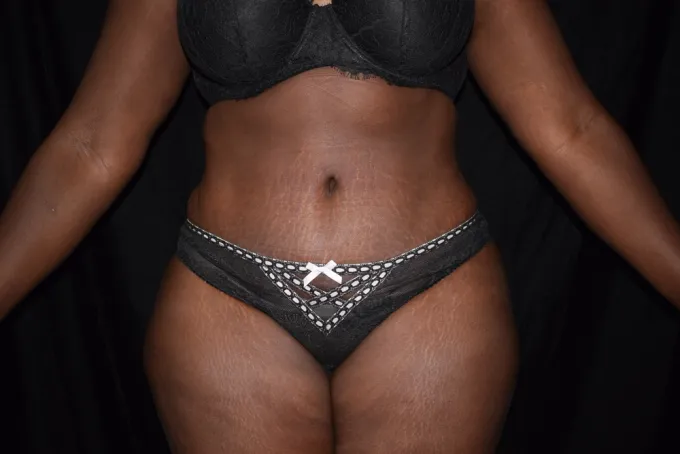
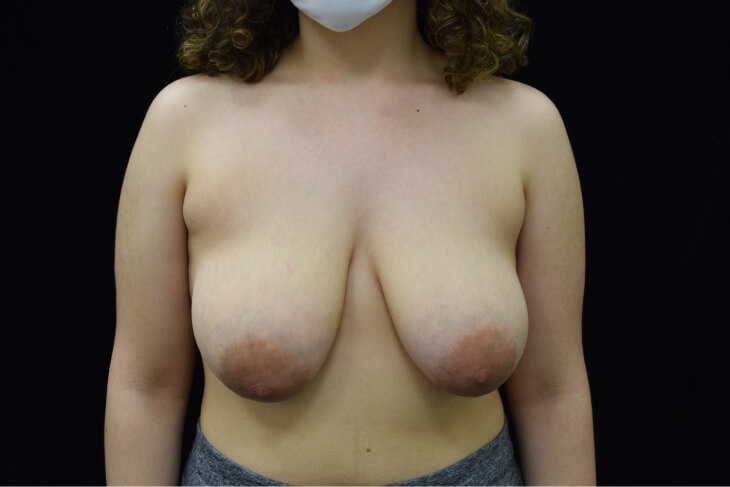
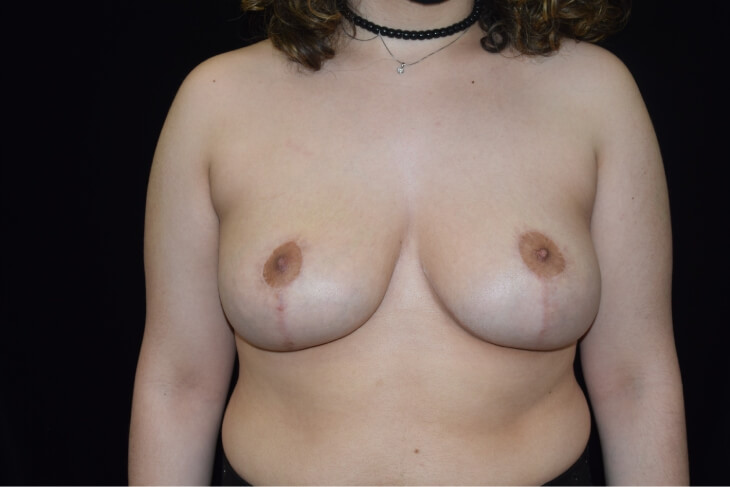
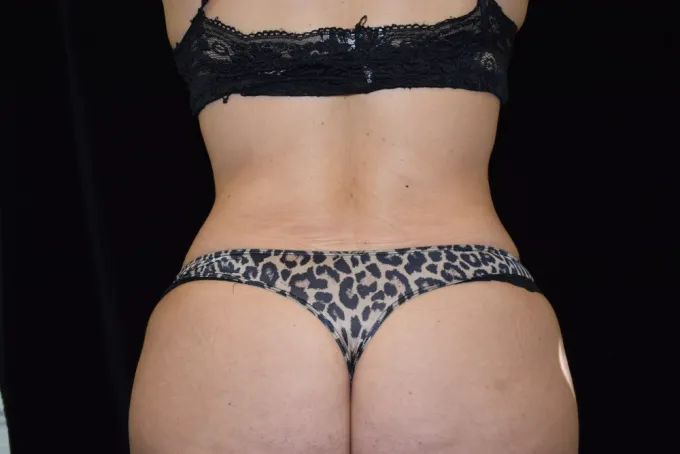
Real Patient Results After Significant Weight Loss
Every patient’s anatomy, weight-loss journey, and surgical plan are different. Explore results from Dr. Racanelli’s patients who underwent body contouring procedures to address loose skin, tissue laxity, and changes in body shape following significant weight loss.

What Is Recovery Like After Post-Weight-Loss Surgery?
Recovery after body contouring following significant weight loss depends on the procedure or combination of procedures performed. A tummy tuck, breast lift, arm lift, and thigh lift each have different postoperative considerations, which is another reason Dr. Racanelli develops an individualized surgical and recovery plan for every patient.
In the early stages of recovery, swelling, bruising, tightness, and temporary limitations in activity are expected. Depending on the procedure, patients may also have drains, compression garments, or specific positioning and movement instructions while the tissues heal.
Dr. Racanelli personally follows his patients throughout the postoperative period to monitor healing, remove sutures or drains when appropriate, and guide the gradual return to normal activity.
When multiple areas require treatment, staging procedures also allows patients to recover from one operation before proceeding with the next phase of their body-contouring plan.
Who Is a Good Candidate for Plastic Surgery After GLP-1 Weight Loss?
Plastic surgery after significant weight loss may be appropriate for patients who have reached a healthier, more sustainable weight but are left with loose skin, tissue laxity, loss of volume, or changes in body contour that cannot be corrected through additional weight loss alone.
Your Weight-Loss Medication Does Not Determine Your Candidacy
Taking or having previously taken a GLP-1 medication does not, by itself, determine whether you are a candidate for plastic surgery. Dr. Racanelli evaluates your current anatomy, weight stability, overall health, nutritional status, medications, and surgical goals to determine whether, and when, it is appropriate to proceed.
The best way to determine which procedures may be appropriate is through an individualized consultation with Dr. Racanelli.
Frequently Asked Questions
Common Questions About Plastic Surgery After GLP-1 Weight Loss
Can you have plastic surgery after losing weight with Ozempic, Wegovy, or Zepbound?
Yes. Patients who have lost significant weight with GLP-1 medications may be candidates for plastic surgery to address loose skin, tissue laxity, breast changes, and other changes in body contour. Candidacy depends on factors such as weight stability, overall health, nutrition, anatomy, and the procedures being considered.
How long should my weight be stable before plastic surgery?
Patients are generally best evaluated for post-weight-loss body contouring once they are at or near a sustainable goal weight and are no longer experiencing significant ongoing weight loss. The appropriate period of weight stability varies by patient and will be considered during your consultation.
Do I have to stop taking my GLP-1 medication before surgery?
GLP-1 medications can affect gastric emptying, which is important when planning general anesthesia. Medication instructions are individualized based on the medication, dose, symptoms, medical history, and anesthesia plan. Patients should follow the instructions provided by their surgical, anesthesia, and prescribing teams rather than stopping a prescribed medication on their own.
Will loose skin tighten on its own after GLP-1 weight loss?
Some skin contraction may occur after weight loss, but significant or persistent excess skin may not fully retract on its own. Age, genetics, skin quality, the amount of weight lost, and how long the skin was stretched can all influence how much tightening occurs.
What plastic surgery is most common after significant weight loss?
The appropriate procedures depend on where changes have occurred. Options may include tummy tuck, breast lift, breast augmentation, arm lift, thigh lift, and body contouring procedures. Some patients need only one procedure, while others benefit from a staged surgical plan.
Can I have several post-weight-loss procedures at the same time?
Certain procedures may be combined when appropriate, but not every procedure should be performed during a single operation. Dr. Racanelli considers the anticipated operative time, the patient's health, anatomy, and recovery when determining what can be performed together and when staging is more appropriate.
What happens if I lose more weight after plastic surgery?
Additional significant weight loss can change the result by creating new skin laxity or altering volume and body proportions. This is one reason surgery is generally planned once a patient is near a weight they can realistically maintain.
Will insurance cover plastic surgery after GLP-1 weight loss?
Coverage varies by insurance plan and by whether a procedure is considered medically necessary or cosmetic. Dr. Racanelli's cosmetic surgical practice is out-of-network, and patients receive individualized information regarding surgical fees and payment options during the consultation process.
Ready to Feel at Home in Your Body After Weight Loss?
Schedule Your Consultation
Significant weight loss is an accomplishment, but reaching your goal weight does not always mean your body looks or feels the way you expected.
During a private consultation, Dr. Joseph A. Racanelli will personally evaluate the areas that concern you, discuss what can realistically be addressed with surgery, and develop an individualized plan based on your anatomy, health, weight stability, and goals.
Whether your concerns involve the abdomen, breasts, arms, thighs, or multiple areas of the body, your surgical plan will be designed specifically for you.